Work Hours
Monday to Friday: 9AM - 6PM
Weekend: Closed



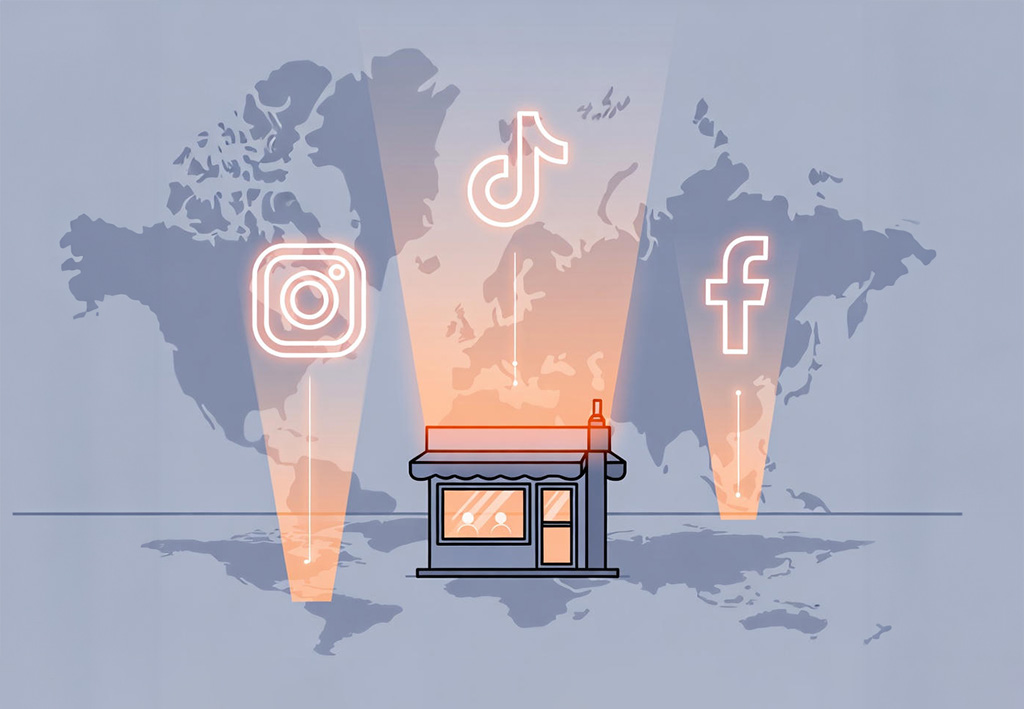
In a digital-driven world where customers spend more time online than ever before, social media has become one of the most powerful engines for business growth. Whether a business is trying to increase brand visibility, attract more customers, or improve trust, an active social presence plays a vital role. For small and medium-sized businesses, startups, eCommerce brands, and established companies, social media offers a cost-effective way to build influence, communicate with audiences, and steadily generate leads.
Social media is no longer just a place for entertainment or connection. It has evolved into an essential marketing channel where customers discover brands, compare competitors, read reviews, and decide which businesses they want to engage with. Understanding why social media is crucial for small business success—and how to use it effectively—can shape long-term growth, stronger customer relationships, and higher conversions.
This social media strategy guide explores the key reasons why social media matters and offers actionable insights on platform selection, posting frequency, content planning, and measuring engagement.
Why Social Media Matters for Small Business Growth
Modern consumers rely on social platforms to research products, connect with brands, and stay updated with the latest trends. For small businesses working with limited budgets, social media provides massive visibility at a fraction of traditional marketing costs. Beyond reach and affordability, it plays a major role in influencing consumer decisions.
Research consistently shows that customers trust brands with active, professional social profiles. Reviews, comments, and user-generated content strengthen credibility and give potential buyers confidence in their purchase decisions. Social media also supports brand awareness by placing businesses directly in front of audiences searching for solutions, inspiration, or recommendations.
Another advantage is the ability to engage instantly. Comments, messages, and interactive posts allow businesses to build meaningful connections by speaking with customers rather than at them. This human-centered communication helps businesses stand out in competitive markets where trust is everything.
Finally, social media supports website traffic, which indirectly benefits search engine optimization. When users learn about a business through social platforms and click through to the website, it signals relevance and authority—two essential elements of long-term growth.
Boosting Brand Visibility Through Social Media
Small businesses often struggle to compete with large brands because of limited advertising budgets. Social media changes that dynamic. A single post—supported by great visuals or valuable insights—can reach thousands of people instantly. With consistent content and the right targeting, businesses can build top-of-mind awareness in less time and at a lower cost.
Visual storytelling is one of the strongest components of brand visibility. Platforms like Instagram, Facebook, TikTok, and Pinterest allow brands to showcase their personality, products, behind-the-scenes processes, and success stories. This helps create familiarity, which later turns into customer trust.
Paid promotions also play a role. Even a small advertising budget can expose a brand to highly specific audiences based on interests, behavior, demographics, and online activity. Combined with organic efforts, this increases reach significantly.
The more consistently a brand shows up, the more likely people are to remember it—and choose it.
Enhancing Customer Engagement
Engagement is one of the biggest reasons why social media is crucial for small business success. Unlike traditional marketing channels, social platforms let businesses create two-way communications that strengthen loyalty and improve customer understanding.
Polls, quizzes, comment threads, direct messages, reviews, and stories invite real-time interaction. These interactions not only tell businesses what their audience prefers but also increase brand visibility through algorithms that reward engagement.
User-generated content (UGC) is another powerful engagement driver. When customers share photos, videos, or testimonials, it validates the brand and inspires others to trust it. Encouraging customers to tag the business or share their experience helps the brand gather social proof without extra costs.
Responding to questions, addressing concerns, and providing quick support through comments or messages also demonstrates professionalism and care. This simple action can significantly boost customer satisfaction and retention.
Choosing the Right Social Media Channels
Not every platform suits every business. Choosing the right social media channels is essential for maximizing results and staying aligned with business goals.
- Ideal for businesses looking to build strong communities, share updates, run ads, and engage across multiple content formats such as videos, posts, events, and stories.
- Perfect for lifestyle, product-based, and visually driven brands. Great for reels, influencers, product showcases, and brand storytelling.
- A must-have for B2B companies, agencies, consultants, service providers, and enterprises aiming to establish authority, attract clients, or recruit talent.
TikTok
- Great for brands targeting younger audiences or businesses that benefit from creative videos, product demonstrations, or viral content.
- Highly effective for eCommerce, fashion, design, beauty, home décor, and DIY-driven businesses.
YouTube
- Ideal for long-form video content, tutorials, product reviews, and educational content that builds trust and expertise.
Selecting the right platform involves understanding the target audience, the type of content a business can produce, and the goals it wants to achieve.
How Often Should You Post? Creating the Right Posting Frequency
Posting frequency depends on the platform, but consistency plays the biggest role in long-term success. Instead of rushing to post daily across multiple platforms, businesses should focus on building a steady, repeatable routine.
Here are recommended frequencies:
- Facebook: 3–5 posts per week
- Instagram: 4–7 posts per week (mix reels, stories, carousels)
- LinkedIn: 2–3 posts per week
- TikTok: 3–7 videos per week
- YouTube: 1–4 videos per month
High-quality, thoughtful content will always outperform content posted simply for the sake of filling a schedule. Small businesses should aim for value-packed posts that either educate, inspire, or connect with their audience.
Using content scheduling tools can help maintain consistency without needing to post manually every day.
How to Build an Effective Content Calendar
A content calendar keeps social media organized, strategic, and goal-focused. It gives businesses clarity on what to post, when to post, and how each piece of content supports broader marketing objectives.
Key steps to building a strong content calendar:
- Define monthly goals – Examples include boosting traffic, generating leads, launching a product, or increasing engagement.
- Choose content themes – Educational, promotional, testimonial, behind-the-scenes, trending content, or user-generated content.
- Plan a mix of formats – Reels, images, carousels, stories, polls, videos, live sessions, or ads.
- Batch-create content – This saves time and ensures consistent quality.
- Use scheduling tools – Tools like Hootsuite, Buffer, Later, or Meta Business Suite make it easy to manage posts.
A calendar helps maintain a predictable posting rhythm while aligning every piece of content with real business outcomes.
Tracking & Measuring Engagement
A successful social media strategy must rely on data. Tracking engagement helps businesses understand what resonates most with their audience and where to improve. Without measurement, social media becomes guesswork.
Key Metrics to Track:
- Engagement Rate – Likes, comments, shares, and interactions
- Reach & Impressions – How many people saw the content
- Click-Through Rate (CTR) – Users clicking links
- Website Traffic from Social Media
- Leads Generated – Form submissions, inquiries, sign-ups
- Conversion Rate & ROI
Useful Tools Include:
- Platform insights (Meta, LinkedIn, TikTok, Pinterest)
- Google Analytics
- Third-party analytics tools
Tracking performance helps businesses adjust their posting frequency, content type, and message to align with audience behavior. Over time, this leads to stronger results and more effective campaigns.
Social Media Success Stories
Many small businesses have grown significantly through social media by sharing relatable stories, showcasing product benefits, and engaging consistently. For example:
- A local retail brand tripled its sales by posting daily Instagram reels showing new arrivals and styling ideas.
- A service-based business gained hundreds of qualified leads through educational LinkedIn posts and helpful comments.
- An eCommerce brand boosted revenue with TikTok videos demonstrating product use, resulting in viral exposure.
These real-world examples highlight how a strategic approach can create long-lasting, measurable impact.
Conclusion
Social media is no longer optional—it’s a crucial tool for small business success. It helps brands enhance visibility, attract customers, build trust, and drive leads with measurable results. By choosing the right channels, maintaining consistent posting, using a content calendar, and analyzing engagement, businesses can build a strong online presence that supports long-term growth.
If you want to create a high-performing social media strategy that drives engagement and conversions, Segnant’s marketing experts can help you plan, execute, and scale with confidence. Schedule a free consultation to get started.