Work Hours
Monday to Friday: 9AM - 6PM
Weekend: Closed

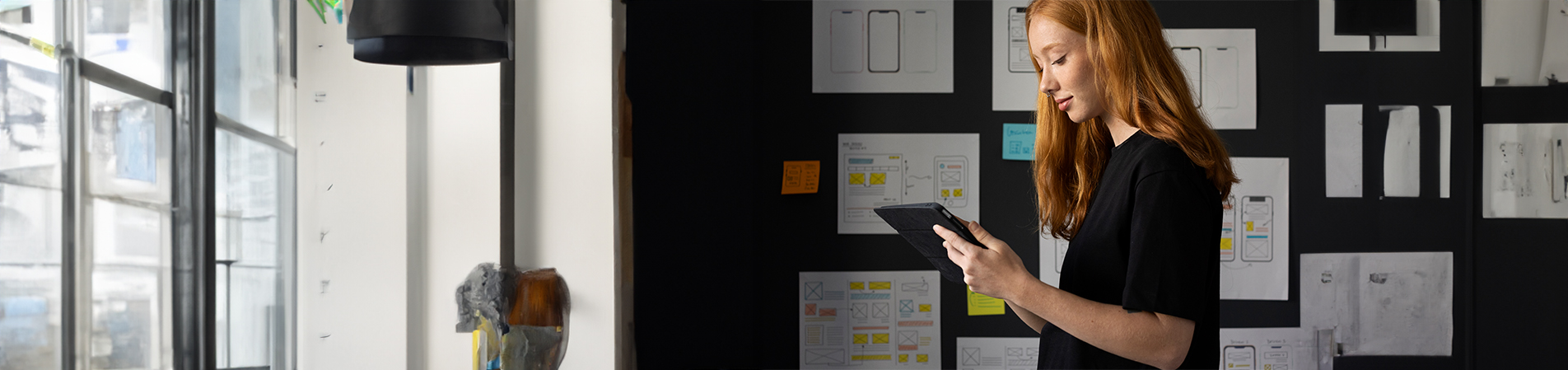


In today’s competitive digital economy, business growth no longer depends on having just a good website or an attractive interface. True digital success comes from how well product strategy, design thinking, and engineering execution work together. When these functions operate in isolation, businesses face slow delivery, rising costs, and inconsistent customer experiences. When they move in sync, the results are faster launches, stronger brands, and measurable revenue growth.
For business owners investing in web design and development services, understanding this alignment is critical. A website is not just a visual asset—it’s a product, a brand experience, and a technical system working at the same time. Companies that treat it this way outperform those that don’t.
This article explains why alignment matters, how it impacts business outcomes, and how an integrated approach helps organizations build digital platforms that support long-term growth.
What Alignment Really Means in Digital Projects
Alignment is not about adding more meetings or processes. It’s about ensuring that product goals, design decisions, and engineering choices are guided by the same vision from day one.
Product: Setting the Direction
Product strategy defines why something is being built. It answers questions such as:
- Who is the target customer?
- What problem are we solving?
- What business outcomes matter most?
According to McKinsey, companies that align digital initiatives with clear business goals are 1.8 times more likely to achieve above-average growth (McKinsey Digital, 2023). Without a clear product strategy, design and development teams often build features that look good but fail to deliver value.
Design: Translating Strategy into Experience
Design converts strategy into user experience. UI and UX design determine how customers interact with a digital product, how easy it feels, and how trustworthy it appears.
Research shows that 94% of first impressions are design-related (Google UX Research). For business owners, this means design directly impacts credibility, lead generation, and conversion rates.
Engineering: Turning Vision into Reality
Engineering brings ideas to life. It ensures performance, security, scalability, and reliability. Even the most thoughtful design will fail if the website loads slowly or breaks under traffic.
Google reports that 53% of mobile users abandon sites that take longer than three seconds to load, highlighting the business cost of poor technical execution. Alignment ensures product goals are achievable, designs are technically feasible, and development supports both user experience and business growth.
Why Businesses Win When Teams Work as One
When product, design, and engineering collaborate early and often, businesses see clear advantages.
- Faster Time to Market
Aligned teams reduce rework. Designers don’t create features that engineers can’t support, and developers don’t build functions users don’t need. This speeds up delivery and helps businesses respond quickly to market opportunities. Forrester research shows that cross-functional alignment can reduce project timelines by up to 30%. - Stronger User Experience
User experience improves when design and engineering collaborate continuously. Performance, accessibility, and usability are addressed together rather than patched later. Well-aligned digital products see higher engagement. According to Adobe, companies that prioritize UX are twice as likely to exceed revenue goals. - Consistent Brand Presence
From visual identity to website behavior, consistency builds trust. When teams work in silos, branding often breaks across pages, platforms, or updates.
Aligned teams ensure the brand message remains clear across:
- Website design
- Content structure
- Performance and responsiveness
Measurable Business Results
Aligned execution leads to higher conversions, lower bounce rates, and better ROI. Businesses that invest in integrated web design and development gain platforms that scale with growth instead of needing constant fixes.
A Practical Framework for Alignment
Successful alignment follows a clear process. Here’s how high-performing digital teams approach it.
- Shared Discovery and Planning
Every project starts with understanding the business model, customer journey, and success metrics. Product goals, design direction, and technical constraints are discussed together. This prevents unrealistic expectations and keeps teams focused on outcomes like leads, sales, or engagement—not just features. - Collaborative Design Process
Design is no longer a handoff stage. UI/UX designers work closely with developers to create wireframes and prototypes that balance creativity with technical reality. Design systems play a major role here. Shared components reduce development time and keep experiences consistent across pages and devices. - Agile Development with Feedback Loops
Modern web development relies on iterative delivery. Instead of waiting until the end, teams test and refine throughout the build. This approach reduces risk and allows business owners to see progress early, adjust priorities, and stay in control of the final outcome. - Unified Testing and Launch
Quality assurance goes beyond bug fixing. It includes:
- Usability testing
- Performance optimization
- SEO readiness
- Cross-device compatibility
Aligned teams launch with confidence, knowing the website supports both user needs and business goals.
- Ongoing Optimization
Digital success doesn’t stop at launch. Analytics, user behavior, and performance data guide improvements over time. This continuous improvement mindset helps businesses stay competitive.
Tools and Practices That Support Alignment
Alignment depends on both mindset and tools.
- Clear Communication
Regular check-ins between product managers, designers, and engineers reduce misunderstandings and keep everyone focused on shared priorities. - Shared Metrics
Instead of isolated KPIs, teams align around business metrics such as:
- Conversion rates
- Page load speed
- User engagement
- Lead quality
- Design Systems and Documentation
Design systems ensure consistency while speeding up development. Engineers and designers speak the same visual and technical language. - Customer-Focused Data
UX research, analytics, and SEO insights give teams a shared understanding of real user behavior rather than assumptions.
Design as the Bridge Between Strategy and Technology
Design plays a central role in alignment because it connects abstract strategy with technical execution.
- UX Shapes Product Decisions
User flows, content hierarchy, and interaction patterns influence which features matter most. Good UX helps businesses prioritize what drives value rather than building unnecessary complexity. - Design Systems Reduce Friction
Reusable components align teams and reduce development costs. According to Nielsen Norman Group, design systems can improve team efficiency by up to 50%. - Feedback Improves Outcomes
Usability testing reveals gaps early. Designers and engineers work together to refine solutions before they affect customers.
For business owners, this means fewer surprises and a final product that feels polished, fast, and intuitive.
Why This Matters for Business Owners
Many businesses invest in websites that look impressive but fail to deliver results. The reason is rarely design or development alone—it’s the lack of alignment.
An integrated web design and development partner helps businesses:
- Translate goals into digital strategy
- Build user-focused experiences
- Ensure technical performance and scalability
- Support long-term growth
Organizations that align teams around a shared vision create digital platforms that support marketing, sales, and customer experience all at once.
Final Thoughts
Digital success is not built in silos. When product strategy, UI/UX design, and engineering execution operate as a single unit, businesses gain clarity, speed, and consistency.
For business owners planning a new website or digital platform, alignment is the difference between a short-term project and a long-term asset. Integrated execution leads to better user experiences, stronger brand trust, and measurable business results.
The future belongs to businesses that treat digital products as strategic investments—built through collaboration, guided by data, and supported by teams that work together from start to finish.
If you’re looking to build a website or digital product where strategy, design, and engineering work in sync, Segnant helps make that happen. From UI/UX design to scalable web development, our team partners with business owners to create digital experiences that support growth, performance, and long-term value. Now is the right time to turn your digital presence into a business advantage. Schedule a free consultation session to get started.